Adaptive Learning Technologies: Personalizing Education for Every Student

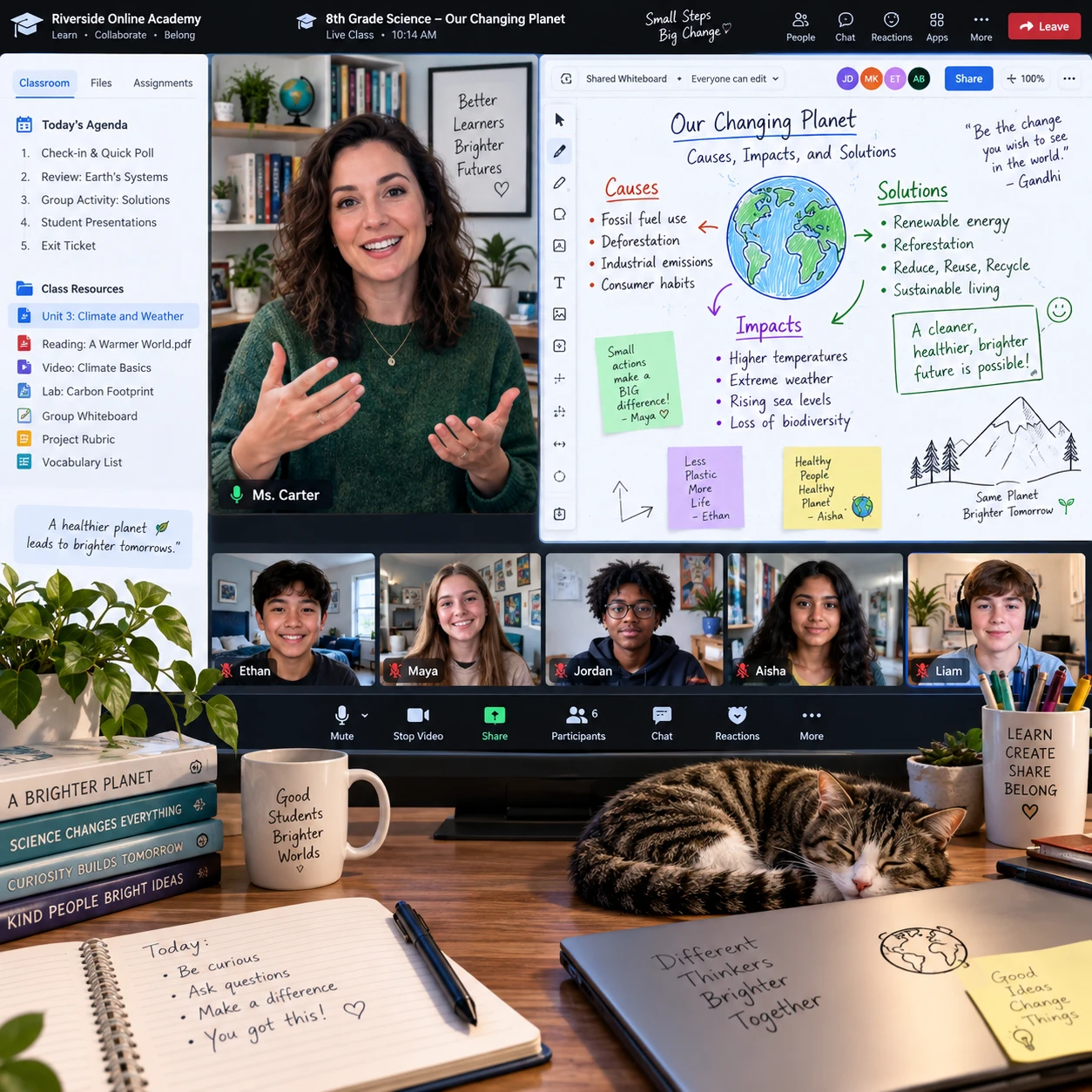
Students rarely begin an online course with the same background knowledge, confidence, schedule, or support needs. Adaptive learning technologies help an online school respond to those differences by adjusting lessons, practice, pacing, and feedback according to each learner’s progress. The goal is a more responsive experience in which students receive the right level of challenge without losing access to teacher guidance or meaningful choice.
What Is Adaptive Learning Technology?
Adaptive learning technology is software that changes educational content, difficulty, pacing, or support based on a student’s performance and needs. It uses information from assessments and learning activity to create a more personalized learning experience.
In a traditional digital course, every student may see the same lesson sequence. An adaptive platform can take a different approach. If a learner demonstrates mastery of a mathematics skill, the system may move to a more complex problem. If another student makes repeated errors, it may provide additional examples, a short explanation, or targeted practice before continuing.
Adaptive learning is closely related to personalized learning, but the terms are not identical. Personalized learning includes the broader instructional design: student goals, interests, choices, relationships, and support. Adaptive software is one tool that helps deliver that personalization at scale.
Useful adjustments can include:
- Changing the difficulty or type of question
- Recommending a review activity or prerequisite lesson
- Allowing more time and practice for a particular concept
- Providing immediate hints, explanations, or corrective feedback
- Offering extension work when a student is ready to move ahead
These systems do not identify a fixed “learning style” or predict a student’s potential perfectly. They respond to observable evidence, and that evidence must be interpreted carefully by educators.
How Adaptive Learning Works in an Online School
To use adaptive learning in an online school, a platform collects evidence from assessments and student activity, analyzes it, and adjusts the learner’s next steps while teachers monitor and guide the process.
The process usually begins with a diagnostic or formative assessment. A student might answer questions, complete a simulation, write a response, or solve a problem. The system records more than whether an answer is correct. Depending on the platform, it may also consider response time, attempts, hints used, confidence ratings, and patterns of errors.
That information feeds into student data and learning analytics. Algorithms compare current performance with defined learning objectives and prerequisites. The platform then recommends an individual learning path, such as a review module followed by guided practice and a new assessment.
A typical cycle looks like this:
- Check: A formative assessment identifies what the student understands.
- Interpret: Learning analytics highlight strengths, gaps, misconceptions, and possible prerequisites.
- Adapt: The system adjusts content, sequence, difficulty, practice, or feedback.
- Review: The student receives another opportunity to demonstrate understanding.
- Intervene: A teacher uses the results to provide personal feedback, encouragement, or a different instructional strategy.
An adaptive learning platform may operate inside a learning management system (LMS) or connect to one through an integration. The LMS can manage enrollment, assignments, communication, grades, and course materials, while the adaptive tool handles more detailed practice and progression. Schools should confirm that data flows between systems accurately and that teachers can view useful information in one place.
For a practical overview of learning analytics and education technology standards, decision-makers can consult resources from the U.S. Department of Education. The important point is that automation should support a visible instructional process, rather than operate as a black box.
Benefits of Adaptive Learning for Students
Adaptive learning benefits students by matching practice and support more closely to their current understanding, allowing them to progress at a suitable pace while receiving timely feedback.
In an online school, flexible pacing can make a major difference. A student balancing coursework with employment, caregiving, athletics, or health needs may revisit a lesson without holding back classmates. Another learner with strong prior knowledge can spend less time repeating material already mastered.
Targeted practice also makes study time more productive. Instead of assigning ten identical questions to everyone, an adaptive system can focus practice on a specific misconception. A student who confuses the steps in solving linear equations might receive worked examples and scaffolded problems, while a student who has mastered the skill works on application and reasoning.
Immediate feedback supports confidence when it explains why an answer needs revision. A simple “incorrect” label offers little instructional value. A useful platform might identify the mistaken step, show a related example, and invite the learner to try again. Teacher feedback remains especially important for complex work, including writing, projects, collaboration, and open-ended problem-solving.
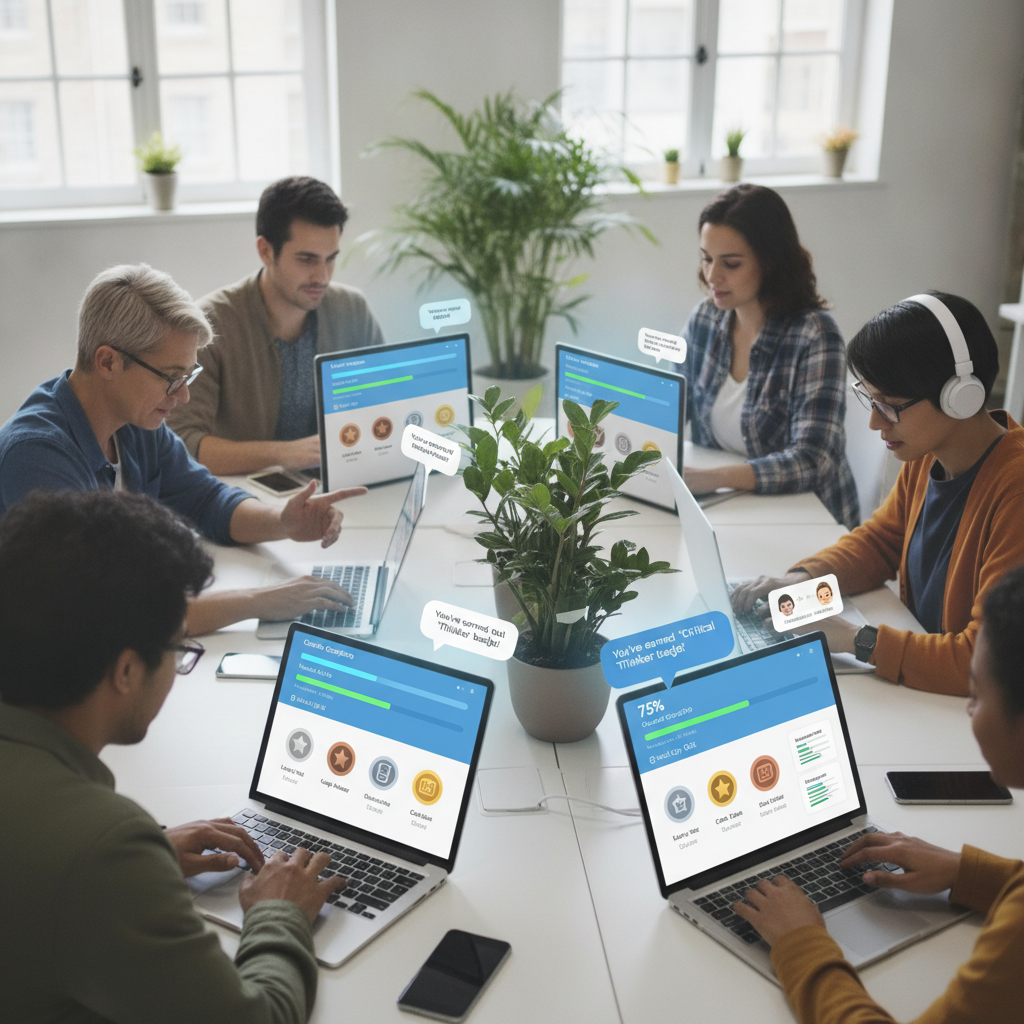
Adaptive tools can also reveal progress that students do not notice themselves. Clear milestones, mastery indicators, and achievable next steps may encourage persistence. However, engagement should not depend entirely on points, badges, or automated rewards. Student agency grows when learners can understand their goals, request help, choose among suitable resources, and reflect on their own progress.
Supporting Different Learning Needs and Accessibility
Adaptive learning can support different learning needs by varying pace, scaffolding, representation, and practice, but it works best alongside accessibility features, inclusive teaching, and human support.
Students may differ in prior knowledge, language proficiency, attention, confidence, disability-related access needs, and available study time. An adaptive tool can respond to some of these differences by offering captions, transcripts, text-to-speech compatibility, adjustable display settings, alternative explanations, keyboard navigation, and multiple ways to practice.
Accessibility should be evaluated against recognized standards such as the Web Content Accessibility Guidelines. A platform that changes difficulty intelligently but cannot be used with a screen reader is not inclusive. Likewise, a tool that assumes constant broadband access may disadvantage students who rely on mobile devices or intermittent connectivity.
Inclusive education also requires options beyond automated pathways. A learner may need a human explanation, an audio version, a slower lesson schedule, or an alternative assessment format. Teachers and support staff should be able to adjust recommendations when the data does not tell the whole story.
It is useful to treat personalization as a three-part decision:
- Evidence: What does the student’s work show?
- Choice: What options can the student use to reach the goal?
- Support: What human, technical, or accessibility assistance is needed?
This approach avoids treating students as data profiles and keeps the learner’s voice in the process.
The Role of Teachers in Adaptive Education
Teachers remain essential in adaptive education because they interpret learning data, understand context, provide feedback, and make decisions that software cannot make reliably on its own.
A dashboard may show that a student is struggling with a topic, but it may not explain the reason. The student could have a misconception, a technical problem, unclear instructions, anxiety, limited time, or an outside challenge affecting concentration. Teacher judgment turns a signal into appropriate action.
Teachers can use adaptive learning reports to form small support groups, schedule a short conference, recommend a resource, change an assignment, or celebrate progress. They can also challenge an automated recommendation when it conflicts with the student’s demonstrated understanding.
Teacher feedback and intervention are particularly important for higher-order skills. Algorithms can evaluate many structured responses efficiently, but educators are better positioned to assess originality, argument quality, collaboration, ethical reasoning, and personal growth.
The strongest model is a partnership: technology handles routine analysis and practice, while teachers provide relationships, explanation, motivation, context, and professional judgment. Online schools should therefore measure teacher usability as seriously as student usability. A sophisticated platform that adds hours of confusing administration may weaken the personalization it promises.
Challenges and Considerations for Online Schools
Online schools should treat adaptive learning as an instructional investment, not a quick software upgrade. Effective implementation depends on privacy, accessibility, curriculum quality, teacher involvement, reliable access, and meaningful human interaction.
Data privacy: Student performance records can reveal sensitive information. Schools should understand what data the provider collects, why it is collected, how long it is retained, who can access it, and whether it is shared with third parties. Clear consent practices, secure storage, role-based access, and appropriate legal compliance are essential.
Platform quality: An adaptive label does not guarantee strong instruction. Weak content, poorly designed questions, or inaccurate mastery rules can send students down unhelpful paths. Schools should test representative lessons and inspect how the system handles guessing, partial understanding, repeated errors, and unanswered questions.
Unequal access: Students need compatible devices, sufficient connectivity, and a workable study environment. Offline access, downloadable resources, low-bandwidth design, and device lending may be necessary.
Overreliance on automation: A system can make learning feel efficient while narrowing it to what is easy to measure. Discussion, creativity, collaboration, and teacher-student relationships need deliberate space in the course design.
Curriculum alignment: Recommendations should connect to the school’s learning objectives, assessments, grading policies, and academic standards. A generic content library may not match the sequence or depth expected by the school.
Common implementation mistakes include launching without teacher training, hiding algorithmic decisions from students, and judging success only by completion rates. A better evaluation combines learning evidence, student feedback, teacher workload, accessibility checks, and retention over time.
How to Choose an Adaptive Learning Platform
To choose an adaptive learning platform, compare its curriculum fit, assessment quality, accessibility, reporting, integrations, privacy practices, and teacher controls against real online-school needs.
Use a small pilot before committing to a broad rollout. Ask teachers and students to complete representative tasks, then examine both the experience and the data produced. The following questions can guide the review:
- Curriculum fit: Does the content match the school’s courses, standards, sequence, vocabulary, and assessment goals?
- Assessment quality: Can the platform distinguish guessing from mastery and identify specific misconceptions?
- Personalization: Does it adapt difficulty, pacing, practice, explanations, and prerequisites without locking students into a rigid route?
- Teacher controls: Can educators override recommendations, assign targeted resources, add feedback, and contact students easily?
- Reporting: Are reports actionable, understandable, and available at student, class, and program levels?
- Accessibility: Does the platform support keyboard navigation, captions, transcripts, assistive technologies, readable design, and alternative formats?
- Integration: Can it connect reliably with the school’s LMS, identity system, gradebook, and communication tools?
- Privacy and security: Does the provider explain data collection, retention, deletion, subprocessors, and access controls in clear language?
- Student agency: Can learners see goals, understand recommendations, request help, and make meaningful choices?
A useful decision rule is simple: choose the platform that improves the quality of instructional decisions, not merely the number of automated recommendations. Technology should make it easier for students to get appropriate practice and for teachers to provide timely support.
Frequently Asked Questions
What is adaptive learning in online education?
Adaptive learning in online education uses software to adjust lessons, questions, pacing, practice, and feedback according to a student’s demonstrated performance and needs.
How does adaptive learning personalize lessons?
It analyzes assessment responses and learning activity, then recommends different content or support. One student may receive review and scaffolding, while another advances to enrichment.
Can adaptive learning replace a teacher?
No. Adaptive tools can automate practice and highlight patterns, but teachers provide context, relationships, nuanced feedback, encouragement, and instructional judgment.
Is adaptive learning suitable for every student?
It can support many learners, but no single platform meets every need. Accessibility, device access, student preferences, subject demands, and human support must all be considered.
What should online schools consider before adopting adaptive technology?
Schools should evaluate curriculum alignment, assessment quality, privacy, accessibility, integrations, teacher workload, student agency, digital access, and evidence from a realistic pilot.
Adaptive learning technologies are most valuable when they widen the range of support an online school can provide without reducing education to automated decisions. Used thoughtfully, they help students move at an appropriate pace, help teachers notice where intervention matters, and create individual learning paths that remain flexible, inclusive, and human.