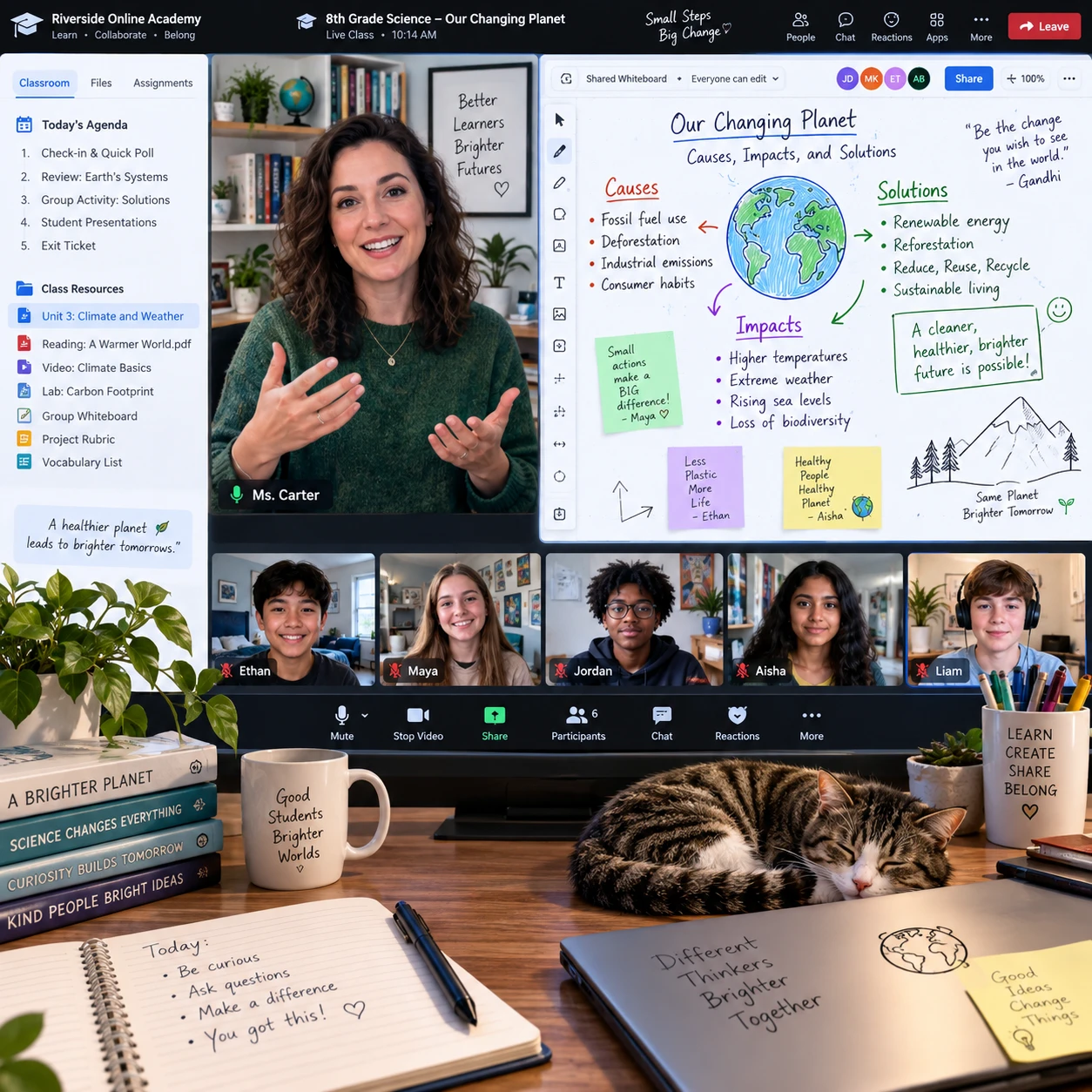


MOOC Mania: Are Massive Open Online Courses Worth Your Time?
A massive open online course can help you explore a subject, build a practical skill, or test whether a field interests you without committing to a full program. But an open enrollment page and a low price do not guarantee a useful learning experience. Whether a MOOC is worth your time depends on what you want to learn, how you stay motivated, and whether you need a credential that employers or schools recognize.
What Is a MOOC?
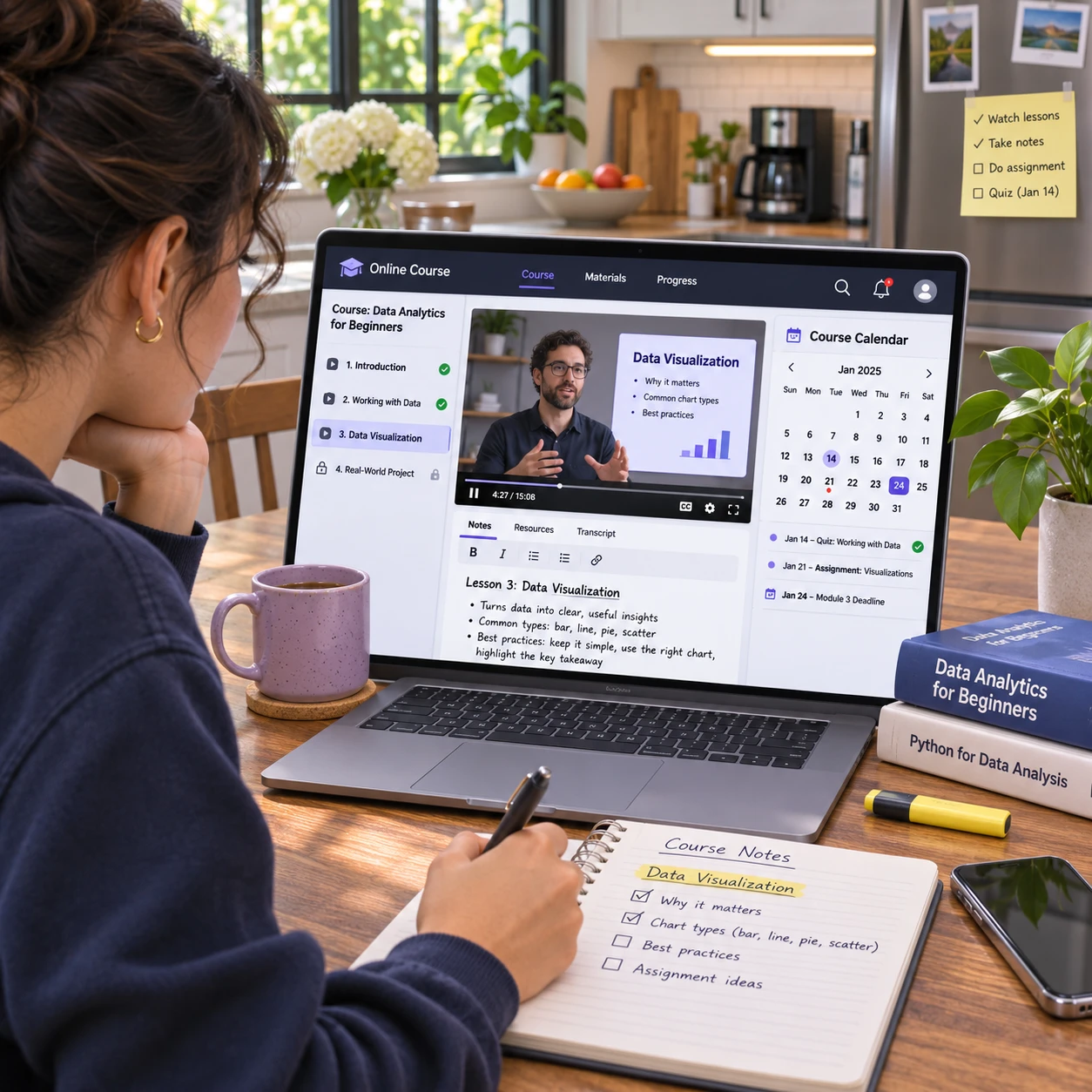
A MOOC, or massive open online course, is a course delivered online to a potentially large number of learners, often with open or flexible enrollment. Online learning platforms typically provide video lessons, readings, quizzes, assignments, and discussion spaces, though the format and level of support vary.
Many MOOCs are created by universities, instructors, or companies and hosted on platforms such as Coursera, edX, and FutureLearn. Some courses let you access materials for free, while others charge for graded work, instructor feedback, or a certificate. “Open” describes broad access; it does not mean every feature is free or that every course has no entry requirements.
Delivery can be self-paced, with lessons available whenever you are ready, or scheduled around weekly modules and deadlines. A course syllabus is the best place to check the expected workload, prerequisites, assessment methods, and whether instructor support is included. A large enrollment also does not guarantee active peer interaction: some discussion forums are lively, while others see little participation.
The Main Benefits of MOOCs
MOOCs are most valuable when you need flexible access to a well-defined subject and can manage your own study time. They make it possible to sample varied topics, learn at your own pace, and revisit lessons without enrolling in a longer program.
Flexibility is a major advantage for people balancing work, family, or school. A self-paced course may allow you to study in short sessions, such as 30 minutes after work, rather than attend a fixed class. That convenience has a trade-off: without live meetings or firm deadlines, it is easier to postpone the next lesson.
MOOCs also offer breadth. You can explore introductory programming, statistics, writing, business, or other subjects before investing in a formal qualification. This can help you figure out which topics hold your interest and identify gaps in your knowledge. A strong course can bring together expert instruction, structured practice, and resources that would otherwise take time to find.
For a specific skill, the learning itself may be more valuable than a certificate. A course that teaches you to use a spreadsheet function or understand a core concept can support a current project even if no employer recognizes its credential. The value rises when you apply the material through assignments, a portfolio piece, or a work-related task.
The Limitations to Consider
MOOCs can be less effective when you need close instructor support, external accountability, or a credential with formal recognition. Course quality, feedback, and learner engagement differ, so check the details before committing your time.
In a large class, instructor support may be limited to automated grading, general forum answers, or scheduled sessions. Peer interaction can fill some gaps, but other learners may not respond quickly or may have different levels of experience. If you need personal feedback on complex work, confirm that the course provides it and whether it costs extra.
Completion takes more than enrollment. Learner motivation often dips after the first few lessons, especially when a course has no deadlines. A self-paced format gives you control, but it also puts the responsibility for planning and follow-through on you. The time estimate in the syllabus may not include pausing videos, taking notes, or redoing assignments.
Certificates and credentials also need careful evaluation. A course-completion certificate usually shows that you finished a particular course; it is not automatically equivalent to academic credit, a professional license, or an accredited qualification. Before paying, check who issues the certificate, what work it represents, and whether a relevant employer, regulator, or school accepts it.
MOOCs Compared With Other Online Learning Options
The main difference is the level of structure and support: MOOCs often offer flexible access to individual courses, while online school programs are more likely to provide a planned curriculum, ongoing guidance, and formal assessment. Neither format is automatically better; the right choice depends on the outcome you need.
Compared with a structured online school program, a MOOC is often a lighter commitment. You may be able to start with one subject rather than follow a sequence of courses. A school program may offer more consistent instructor contact, scheduled deadlines, academic advising, and a credential tied to a broader set of requirements. Those features can matter when you need sustained feedback or recognized progress, but they may come with higher costs and less schedule flexibility.
Other digital learning options include short tutorials, paid course libraries, live workshops, and employer training. Tutorials can be quick and targeted, but they may not offer a complete syllabus or assessed practice. A live workshop can provide direct interaction, though it asks you to be available at a set time. Compare formats using four questions:
- Structure: Do you need a sequence of lessons and deadlines?
- Support: Will you need feedback from an instructor or peers?
- Outcome: Are you seeking knowledge, evidence of skill, or a formal credential?
- Cost and time: What will the full course require, including assessments and certificate fees?
A MOOC may be a good starting point before a longer online program. It can help you test your interest and study habits. It cannot, on its own, replace accredited education or a required professional qualification.
How to Decide If a MOOC Is Right for You
A MOOC is a good fit when its content, workload, teaching format, and credential match your goal and available study time. Decide what success means before choosing a course, then check the syllabus against that standard.
Start by naming the outcome. “Learn more about data” is broad; “use pivot tables to summarize a monthly sales file” is specific. A clear goal makes it easier to judge whether the lessons and assignments will help. Next, consider your schedule and learning preferences. If you need external deadlines, a fully self-paced course may be a poor match even if its topic is ideal.
Review the syllabus and course page for:
- Prerequisites and the expected level of difficulty.
- Estimated study hours, weekly workload, and course dates.
- Assessment types, including quizzes, projects, or peer-reviewed assignments.
- Instructor support and how active the discussion community appears.
- Whether a certificate is optional, what it costs, and what it actually confirms.
If career development is your goal, connect the course to a concrete next step: a work task, a portfolio project, or a skill listed in job descriptions you are targeting. A MOOC can support career development by helping you build knowledge and demonstrate effort, but it does not guarantee employment or make a credential universally recognized. For regulated work or formal academic progression, verify requirements with the relevant employer, licensing body, or school first.
How to Get More Value From a MOOC
To get more value from a MOOC, choose a course for a specific purpose, schedule regular study sessions, and use the lessons to produce something you can apply. A small plan is often more effective than relying on enthusiasm to carry you through.
- Choose for fit, not popularity. Read the syllabus, sample a lesson if available, and check whether the instructor covers your target skill at the right level.
- Set a realistic weekly schedule. Reserve recurring study blocks and add time for assignments. If the course suggests three hours a week, start with that estimate and adjust after the first module.
- Turn lessons into practice. Complete the exercises rather than watching passively. Apply a concept to a small project, such as a short analysis, a written explanation, or a working prototype.
- Use support deliberately. Ask focused questions in discussion forums, compare approaches with peers, and use instructor feedback when the course offers it.
- Review progress before paying for extras. Decide whether a certificate or graded assessment serves your goal. If you mainly want to learn, free access may be enough; if you need evidence of completion, confirm the certificate’s value before purchasing it.
Keep a simple record of what you complete and what you can now do. That record helps you judge whether the time paid off, even when the course does not award a formal credential. If you fall behind, reduce the weekly target or pause intentionally rather than treating an unfinished course as proof that online learning cannot work for you.
Bottom line: MOOCs are worth your time when they offer relevant content, a workable format, and practice that moves you toward a real goal. They are less suitable when you depend on close supervision or need a credential with guaranteed recognition. Treat the course as one option in a wider online education plan, and judge it by what you learn and can use.